 Shopping
Find the Autumn Jacket That Fits Your Routine
By Sara Tilla
Petite trousers should not be assessed only by the distance between the hem and the floor.
 WORDS BYAndrea HillsOctober 21, 2026
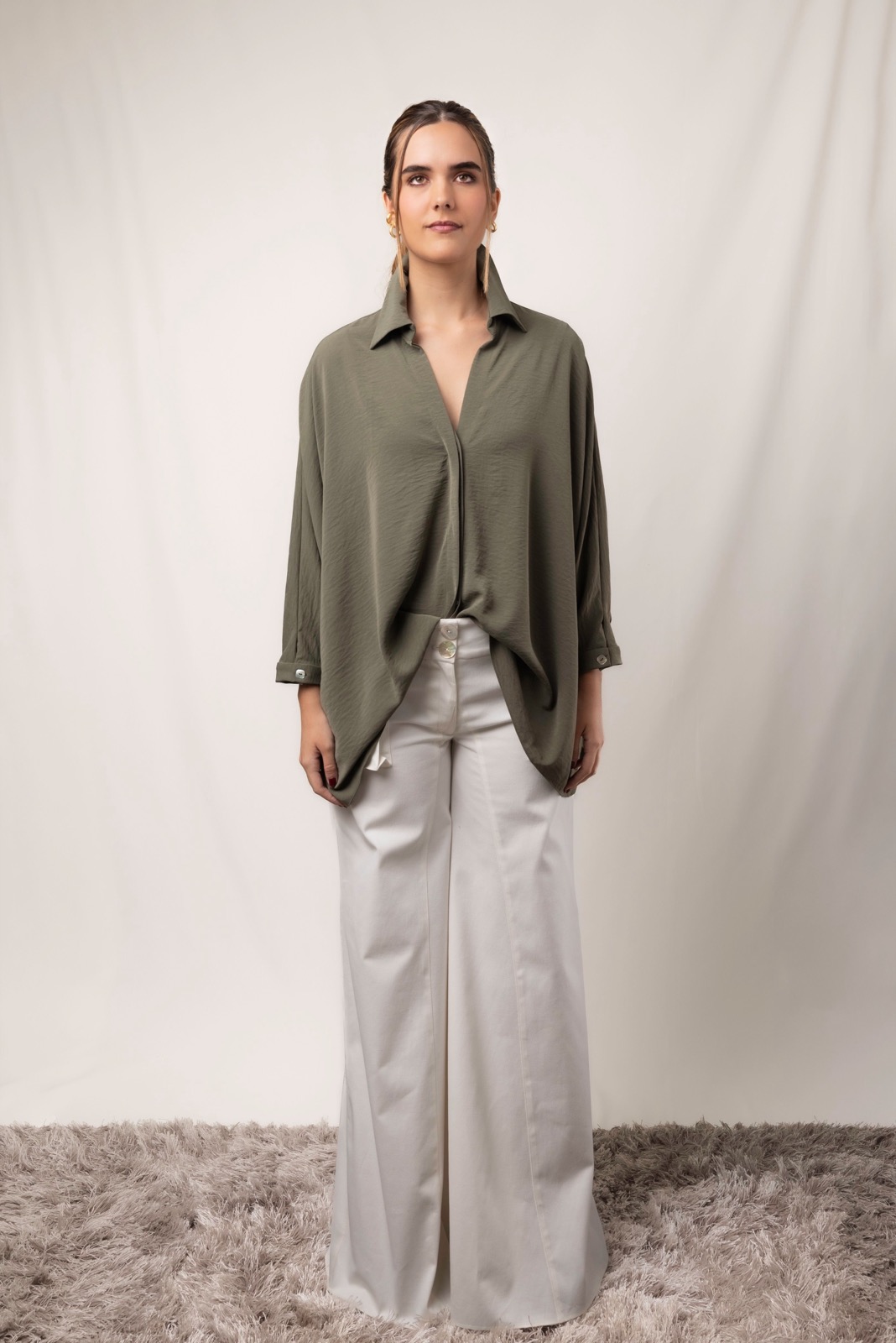
Petite trousers should not be assessed only by the distance between the hem and the floor. Length matters, but so do the rise, the position of the knee, the depth of the pockets and the way the waistband meets the body. Two pairs with the same inseam can look and feel entirely different. The useful goal is to find proportions that work together, rather than to search for a number on a label that promises to solve every fit question.
ELLE's petite trouser coverage focuses attention on tailoring for a working wardrobe. This guide takes a broader fitting-room approach: what to examine, which adjustments may be straightforward and when the original cut is simply not the right starting point. Being petite does not prescribe a single silhouette. You can enjoy wide legs, relaxed tailoring, cropped lengths or a more fitted shape without treating height as a problem that clothing must conceal.
Put the trousers on and let the waistband settle where the design wants to sit. Avoid immediately pulling it higher or lower to create the length you expected. Walk a few steps, sit down and stand again. Notice whether the waistband stays comfortable, gaps significantly at the back or presses into you. A different rise or waistband shape may be more useful than a smaller or larger size alone.
The waistband is also part of an outfit's visible structure. A high rise can create a distinct meeting point with a tucked shirt, while a lower rise changes how a longer knit falls. Neither is a requirement for petite dressing. Try the trousers with the tops you actually own. If every top needs an unfamiliar adjustment to make the pair work, consider whether another cut would fit more naturally into your wardrobe.
The rise is the relationship between the waistband and the crotch seam, and its effect cannot be judged from a front photograph alone. Too much fabric in the wrong place may create sagging or bunching; too little room can produce pulling when you sit or walk. Look at the trousers from the side and back as well as the front. Comfort and movement should remain part of the assessment throughout.
Do not assume that a petite range always gives you the proportions you need. Brands interpret sizing differently, and bodies of similar height can have different torso and leg proportions. Compare measurements where they are available, but treat them as a starting point. The decisive information comes from how the garment behaves on you. A regular-length pair may suit your rise beautifully and need a hem adjustment; another may need changes too extensive to be worthwhile.
Look at where the fabric begins to widen or taper. A wide-leg trouser can fall cleanly from the hip or become fuller lower down. A tapered style may narrow gradually or change shape sharply around the knee. If the knee shaping sits too low for your proportions, shortening the hem will not move it. That is one reason why an otherwise attractive pair can still feel slightly wrong after a simple alteration.
Pay attention to the side seams. They should follow the intended line without twisting noticeably as you stand naturally. Creases, pleats and pockets also influence the visual shape. If a pleat opens more than you want or a pocket pulls away from the body, try another size or cut before deciding the silhouette itself is unsuitable. The issue may be the distribution of room rather than the idea of wearing pleated or wide trousers.
Bring or wear the shoes you expect to use most often with the trousers. A hem that works with a substantial sole may drag with a thin flat. A cropped length can expose a deliberate amount of ankle with one shoe and look abruptly short with another. You do not need every pair to work with every shoe, but you should know the intended combination before paying for alterations.
For a full-length style, check the hem while walking as well as standing. Fabric can catch under the heel or sweep the ground even when it looks tidy in a still photograph. For a cropped style, notice the gap between the trouser and the shoe. Socks or hosiery can change that relationship again. The correct length is the one that supports the line you want while allowing you to move through the day without managing the fabric constantly.
Large pockets, broad cuffs and generous pleats can be appealing on a petite frame. The question is whether you enjoy their proportion in the complete outfit. If the trousers have a lot of volume, a simpler top can make their shape easier to read. If you prefer an oversized shirt too, try leaving the neck or wrist visible to create a little definition without forcing the whole look into a fitted formula.
Small details can matter more than expected. A belt with a substantial buckle changes the focus at the waist. A deep turn-up creates a horizontal line near the shoe. Contrast stitching draws attention to the construction. None of these details needs to be avoided automatically. Try removing or changing one element when an outfit feels crowded. Editing the surrounding clothes may reveal that the trousers were never the problem.
A simple hem change can be a sensible way to make a good pair usable. More complex changes deserve a conversation with a tailor before you commit. Ask what is possible, how the alteration would affect pockets or pleats and whether the original finish can be preserved. Get a price before deciding. A modest purchase can become much less modest once several structural changes are added.
Bring the shoes and explain how you want the trousers to behave, not only how many centimetres you think should disappear. If the waistband, rise, knee position and leg width all need correction, another starting garment may be more practical. Alterations are a tool, not an obligation to rescue every almost-right purchase. The best candidate is usually one whose main proportions already suit you and whose remaining problem can be described clearly.
When you find trousers you love wearing, record their useful measurements and photograph the fit from several angles. Note the size, fabric and brand, but also what makes the pair comfortable: the waistband position, room through the thigh, leg shape and hem with a particular shoe. This creates a reference that is more valuable than remembering a size number across unrelated labels.
Keep space for different versions of a good fit. The trousers for a formal meeting may have a sharper line than those for a long journey. A summer pair may sit differently from heavier winter tailoring. Your wardrobe can accommodate those variations without losing coherence. The aim is not to discover the one silhouette that makes you appear taller. It is to recognise trousers that fit your body, your preferences and the days you need them to carry you through.
WINTER WARDROBE
Compare these current collections with the shapes and layers you already wear.
COS is a useful starting point when comparing a fine merino layer with a more substantial crew-neck or funnel-neck knit. Check the composition and care instructions on the individual item before choosing.
ARKET’s wool-coat category gives you several silhouettes to compare, from a shorter peacoat to belted and oversized shapes. The most useful choice is the one that accommodates your normal layers and daily routine.
OUR WRITERSAndrea HillsRead more from Andrea Hills on Her & Bloom.
All stories by Andrea Hills ↗