 Shopping
The Petite Trouser Guide: Rise, Length and Proportion
By Andrea Hills
The right autumn jacket is the one that makes the rest of your wardrobe easier to wear.
 WORDS BYSara TillaOctober 21, 2026
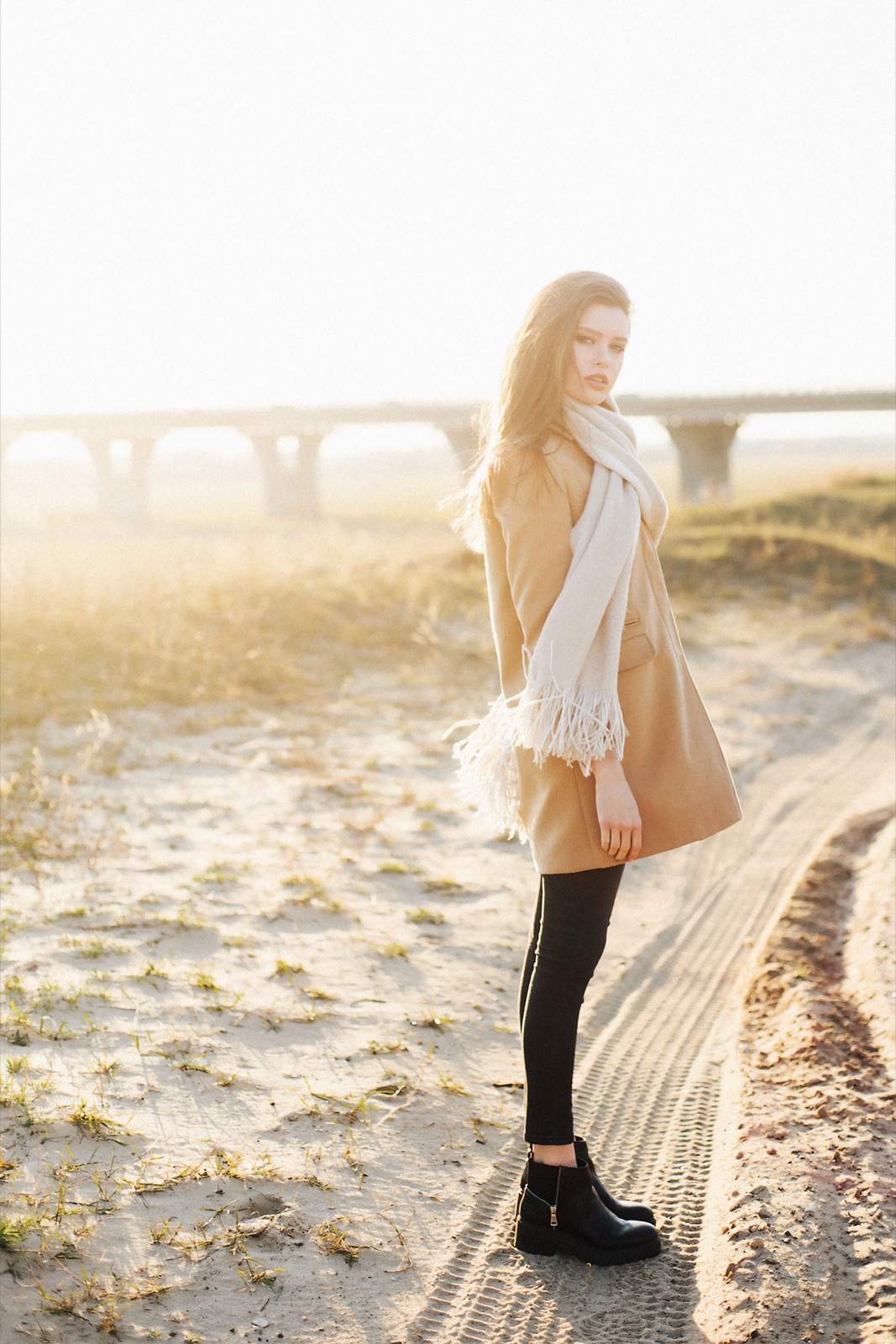
The right autumn jacket is the one that makes the rest of your wardrobe easier to wear. That sounds obvious until a beautiful cropped shape meets a long cardigan, or a generous sleeve refuses to fit beneath the coat you need later in the season. A jacket lives at the intersection of weather, movement and proportion. Choosing one becomes simpler when you begin with those demands instead of treating the hanger as the final test.
Vogue's autumn jacket coverage brings together a range of shapes, including small jackets, suede blazers and high-neck styles. The useful lesson is that there is no single silhouette doing every job. Before deciding which version belongs in your wardrobe, identify the task it will perform most often. The jacket for walking to a train station may need to be different from the one that spends most of its day on the back of an office chair.
Think through a normal week and count the occasions when you actually reach for a jacket. Do you need pockets for keys and a phone? Do you carry a backpack? Are you usually outside for ten minutes or an hour? Does the building you work in feel warm or cold? These questions are more useful than imagining an idealised autumn afternoon that does not resemble your routine. A garment earns its place through repeated usefulness, not through its ability to illustrate a season.
Then list the clothes it must fit over. Include the thickest knit you realistically wear, the shirt with the fullest sleeves and the dress you want to keep using after summer. If the jacket only works over a thin T-shirt, that may still be a valid choice, but it should be a conscious one. Avoid buying it for an imagined layering capacity that its cut does not provide. The fitting room is the place to discover that limitation.
A jacket's shoulder line changes the impression of everything underneath. A closely fitted shoulder can give loose trousers a clearer frame. A dropped shoulder can make a simple dress feel more relaxed. Look at the whole outline rather than judging the shoulder seam against a universal ideal. What matters is whether the design feels intentional on you and whether the sleeve allows you to move without pulling the body of the jacket out of place.
Raise your arms, reach forward and cross them. If the back becomes tight or the cuffs pull far up the forearm, consider whether a different size or cut would serve you better. Do the test with the layer you intend to wear underneath. A jacket that feels comfortable over a camisole can behave very differently over knitwear. Extra room is useful only when it appears where you need it; sizing up does not automatically solve every fit issue.

A short jacket often makes the waist or upper hip more visible. It can work beautifully with a full skirt or higher-rise trousers because the boundary between the two garments remains clear. A longer jacket can create a continuous line over a dress or balance a narrow trouser. Neither length is inherently more flattering. The decision depends on which proportions you enjoy and which pieces you want to bring together.
Try the jacket with at least two different bottoms before deciding. If you mainly wear wide trousers, do not assess it only with the narrow jeans you happened to wear shopping. If your skirts vary in volume, check the fullest one. Sometimes an outfit feels awkward because the jacket and skirt end at nearly the same point. Changing one length can resolve that tension without changing the colour, fabric or general style of either piece.
It is easy to fall for a jacket while wearing it open. That is also how many product photographs present it. Fasten every button or zip before buying and look at what happens to the shape. Does the front lie comfortably? Can you sit? Does the collar press against your neck? A jacket that looks lovely open but becomes uncomfortable when closed may not suit the weather conditions for which you are buying it.
Pockets deserve the same attention. Put your hands in them and check whether the placement feels natural. Consider whether carrying a phone changes the line of the garment or pulls it to one side. If you use a shoulder bag, test the strap with the jacket's fabric and sleeve shape. These small interactions often determine which jacket becomes a daily favourite and which remains a carefully preserved object that rarely leaves the wardrobe.
A smooth woven jacket can give casual clothes a sharper outline; a textured surface can make simple tailoring feel less formal. Suede, wool, cotton and technical fabrics each suggest different moods, but the label alone does not tell you how a particular garment will behave. Read the care instructions and the retailer's description, then inspect the actual construction. If weather protection matters, look for explicit product information rather than assuming a substantial-looking fabric will provide it.
Be realistic about care. A jacket that requires specialist cleaning may still be a good purchase if that fits your budget and habits. It is less useful if you know you will avoid wearing it whenever the forecast looks uncertain. Think about where you will store it, how often it will be handled and whether you are comfortable with visible wear. There is no advantage in buying a material whose normal upkeep makes you anxious about using it.
A structured everyday jacket can bridge shirts, jeans and straightforward dresses. Choose a shape that gives you enough movement and a colour that works with the bottoms you already own. A relaxed layer can serve weekends, travel and days with changing temperatures. Here, useful pockets and room for knitwear may matter more than a precise waist. A more expressive jacket can be the focal point of a simple outfit, making familiar trousers and a plain top feel considered.
You may need only one of these roles, or one jacket may cover two of them. Resist the temptation to turn a practical distinction into a shopping list. If your existing jacket already performs the everyday job well, perhaps the useful change is a different scarf or an alteration. If there is a genuine gap, name it clearly before browsing. That makes it easier to recognise the right garment when it appears and to leave an attractive but redundant option behind.
Before removing tags, try the jacket at home with complete outfits, including shoes and a bag. Move through the space, sit at a table and put on the layers you expect to use. Check the retailer's return conditions before doing anything that could affect eligibility. A few minutes of ordinary movement can reveal more than repeated posing in a mirror, especially when the jacket has an unfamiliar cut.
The final question is simple: does this jacket make getting dressed easier? It should connect to your existing clothes, feel comfortable in the situations you bought it for and ask for a level of care you can manage. A distinctive collar or beautiful texture is a welcome addition. The foundation is a garment that belongs to your actual life, with enough room for the person moving through it.
WINTER WARDROBE
Compare these current collections with the shapes and layers you already wear.
COS is a useful starting point when comparing a fine merino layer with a more substantial crew-neck or funnel-neck knit. Check the composition and care instructions on the individual item before choosing.
ARKET’s wool-coat category gives you several silhouettes to compare, from a shorter peacoat to belted and oversized shapes. The most useful choice is the one that accommodates your normal layers and daily routine.
OUR WRITERSSara TillaRead more from Sara Tilla on Her & Bloom.
All stories by Sara Tilla ↗